Share
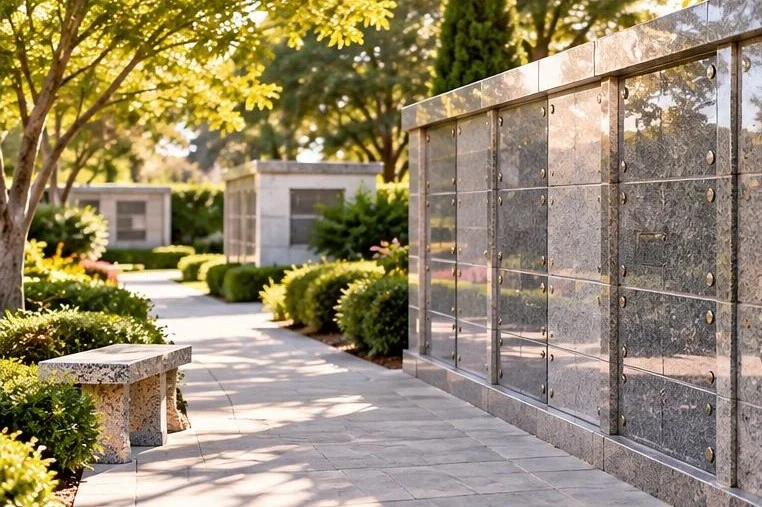
Families exploring cemeteries San Mateo, CA often hope to find a meaningful setting where personal memories remain connected to a lasting place. Columbarium niches offer a dedicated location for reflection, shared remembrance, and family traditions. A thoughtfully selected niche can become a point of connection between past and future generations.
Understanding the Purpose of Columbarium Niches
A columbarium is a structure with individual spaces intended for the respectful placement of cremated remains. Many are constructed with durable materials and arranged in peaceful settings. The niche itself is a specific, identifiable place that loved ones can return to throughout the years.
Unlike a remembrance practice tied to one gathering or anniversary, a dedicated niche gives families continuity. Relatives can visit at different times, pause quietly, and share memories with children who may never have met the person being honored. The value lies not only in the physical structure but also in the meaning families bring to it.
Why a Permanent Place Matters to Families
Grief and remembrance take different forms. Some people prefer private reflection, while others find comfort in visiting together. A columbarium provides room for both approaches, allowing family members to develop their own routines without requiring everyone to remember in the same way.
Over time, familiar paths, inscriptions, and surroundings may become part of family stories. Returning to the same place can help younger relatives understand family relationships and recognize the people whose experiences shaped their lives. This ongoing connection is one reason many families consider permanent memorial spaces.
Personal Details That Tell a Life Story
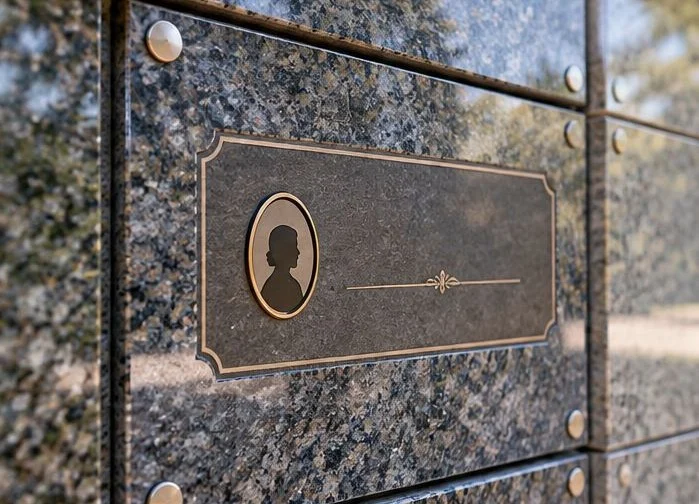
A niche may be personalized with a name, meaningful dates, an inscription, or a photograph, depending on the available design and cemetery guidelines. These details help visitors recognize an individual life rather than seeing only a place within a larger structure. Families can choose wording that is simple, affectionate, and true to the person remembered.
When choosing an inscription, it can help to focus on a phrase that will remain meaningful over time. A favorite expression, a reference to family relationships, or a brief statement of values may convey more than a long description. Discuss available formats and requirements with the cemetery before finalizing the design.
Ways Families Can Build Remembrance Traditions
A dedicated memorial place becomes especially meaningful when visits connect with family habits. The most enduring traditions are often straightforward and easy for relatives of different ages to share.
- Visit on a meaningful family anniversary.
- Share a favorite story during each visit.
- Invite younger relatives to ask questions.
- Keep a family memory journal at home.
Traditions do not need to follow a fixed schedule. Some relatives may visit regularly, while others come when they are able. Both approaches can help preserve a sense of belonging and keep family history present in everyday life.
Choosing a Setting That Feels Welcoming
Families may notice differences in outdoor surroundings, indoor access, privacy, and the appearance of individual spaces. Visiting in person can make those differences easier to understand. Consider the route from parking areas, the atmosphere around the structure, and whether the location supports the kind of visits your family expects.
For families comparing several approaches, the website also describes traditional casket burial spaces for family remembrance. Understanding the character of each setting can help relatives choose an option that reflects their preferences and family customs.
Comparing Memorial Features
The table below summarizes practical questions families can discuss when evaluating a dedicated memorial space and planning future visits.
| Feature | Family consideration | Memory connection |
|---|---|---|
| Location | Ease of visiting and surroundings | Encourages return visits |
| Personal inscription | Names, dates, and meaningful wording | Preserves individual identity |
| Photograph | Available display guidelines | Helps share personal stories |
| Accessibility | Paths and visiting arrangements | Supports family participation |
| Long-term planning | Family preferences and documentation | Provides continuity |
How to Make a Thoughtful Family Decision
Choosing a niche can be easier when relatives discuss their wishes before comparing individual spaces. An open conversation helps distinguish essential needs from personal preferences and makes room for different perspectives.
- Discuss the kind of setting family members would value.
- Visit available locations and observe the surroundings.
- Ask about inscription choices and visiting guidelines.
- Record the decision and share details with relatives.
These steps can also reveal questions that deserve more attention. For example, families may want to understand how future generations can locate the memorial or whom to contact about records. Keeping clear documentation can support continuity long after the initial arrangements are complete.
Connecting Family Stories Across Generations
Memories often begin with a single story and become richer as relatives add their perspectives. A familiar memorial location can encourage those conversations by giving everyone a shared point of reference. Children may learn about a grandparent through anecdotes, photographs, and the meaning behind an inscription.
Families can support this connection by recording names, relationships, and personal stories in a separate family archive. The physical memorial and the written record complement each other: one offers a place to visit, while the other carries details that might otherwise fade. Together they help preserve a fuller picture of a life.
Understanding the Broader Role of Cemetery Spaces
A cemetery can be both a place of remembrance and a record of community history. The stories associated with individual memorials form part of a larger account of families, neighborhoods, and changing generations. Thoughtful memorial decisions can therefore hold significance beyond the immediate family.
Families interested in this wider perspective may consider the ways cemeteries support remembrance beyond burial. Looking at the many purposes of memorial grounds can help families understand how personal reflection and shared heritage coexist.
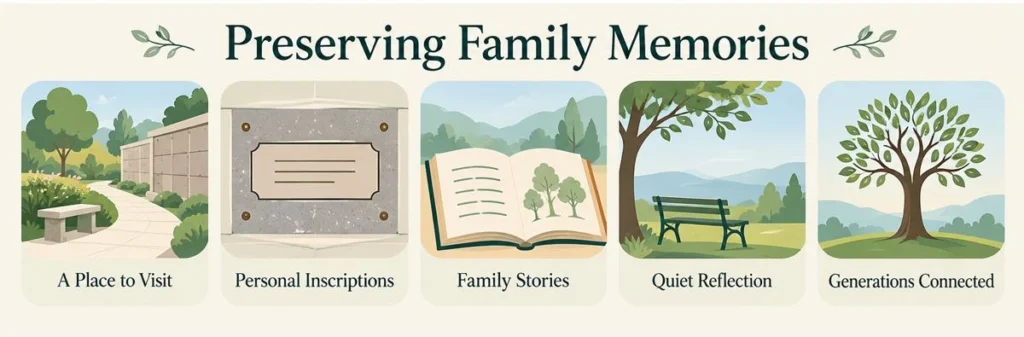
Five Ways Niches Preserve Family Memories
A meaningful memorial combines a recognizable place with opportunities for personal expression. The illustrated summary highlights five connections families can build through remembrance.
Frequently Asked Questions
What is a columbarium niche?
It is an individual space within a columbarium structure, designated as a permanent place of remembrance.
Can a niche include personal details?
Depending on cemetery guidelines, a niche may feature an inscription or photograph that reflects the person remembered.
How can families keep memories alive through visits?
Families can share stories, reflect together, and introduce younger relatives to important family history.
What should families consider before choosing a niche?
Consider the setting, accessibility, personalization options, and how relatives may wish to visit over time.
Plan a Meaningful Place of Remembrance
For families considering cemeteries San Mateo, CA, The Italian Cemetery can help explain available memorial choices and the details that matter most to your family. To discuss columbarium niches and meaningful ways to preserve a loved one’s memory, contact our team to discuss your family wishes or call (650) 755-1511 for guidance.
