Share
Cemeteries play a vital role in preserving family histories, serving as tangible connections between generations. In communities across the United States, including cemeteries San Francisco, CA, these sacred spaces offer more than resting places; they are archives of personal stories, cultural traditions, and community heritage.
Honoring Heritage Through Memorials
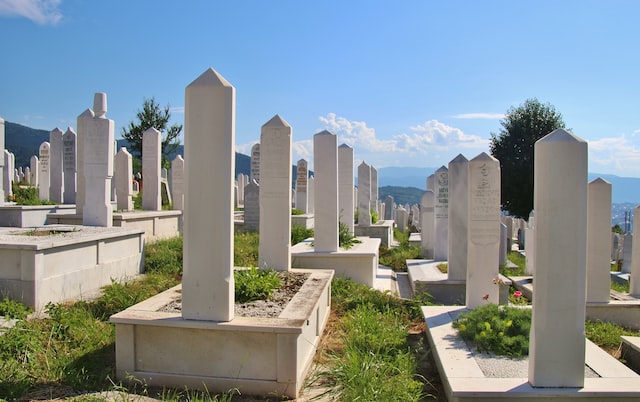
Memorials and grave markers are more than stone; they are reflections of identity. Family names, dates, and inscriptions communicate a legacy, providing context for future generations. These markers offer descendants insight into the lives and achievements of those who came before them, making the past accessible and personal.
Maintaining Connections Across Generations
Visiting a cemetery fosters intergenerational bonds. Children and grandchildren learn about their ancestors through stories shared during visits, while older relatives gain comfort in seeing their family’s history respected. The act of remembering and honoring loved ones strengthens family identity and ensures that memories endure.
Preserving Cultural and Religious Traditions
Cemeteries are often intertwined with cultural and religious practices. Rituals performed at burial sites, such as annual memorial ceremonies, help families maintain traditions. These practices reinforce shared values, connecting generations through common heritage and collective remembrance.
The Role of Cemetery Landscapes
The physical design of a cemetery contributes to its legacy-preserving function. Pathways, gardens, and monuments create reflective spaces where families can gather. Thoughtfully maintained landscapes encourage visitors to pause, reflect, and engage with history, deepening the emotional and educational value of the site.
Archival and Record-Keeping Functions
Modern cemeteries often provide meticulous record-keeping. Documentation of interments, genealogical records, and historical maps enables families to trace lineage and discover ancestral stories. These archives are invaluable tools for researchers, historians, and families seeking to preserve connections to their past.
Tips for Engaging with Family Legacies at Cemeteries
- Visit regularly to maintain a personal connection
- Document inscriptions and grave markers for family records
- Attend memorial events to honor traditions
- Share stories with younger family members
- Respect the cemetery environment and its cultural significance
These simple steps help families actively participate in preserving legacies, making history a living part of their present lives.
Emotional and Educational Impact
Cemeteries provide a unique combination of reflection, education, and emotional connection. They encourage mindfulness about the passage of time and the values families wish to pass down. By visiting and caring for these sites, families cultivate a sense of responsibility and reverence for history, ensuring that legacies remain vibrant.
A Trusted Partner in Legacy Preservation
Institutions exemplify how cemeteries serve communities by protecting family histories with compassion and professionalism. From careful record management to beautifully maintained grounds, these services support generations in honoring their ancestors.
As families continue to explore their histories, cemeteries remain invaluable resources for preserving stories, memories, and traditions that might otherwise fade. Through careful stewardship, these spaces ensure that family legacies endure and continue to inspire future generations.
Learn how The Italian Cemetery can help preserve your family’s history in cemeteries San Francisco, CA. Call (650) 755-1511 today to schedule your consultation and discover compassionate, professional ways to honor your loved ones.
