Share
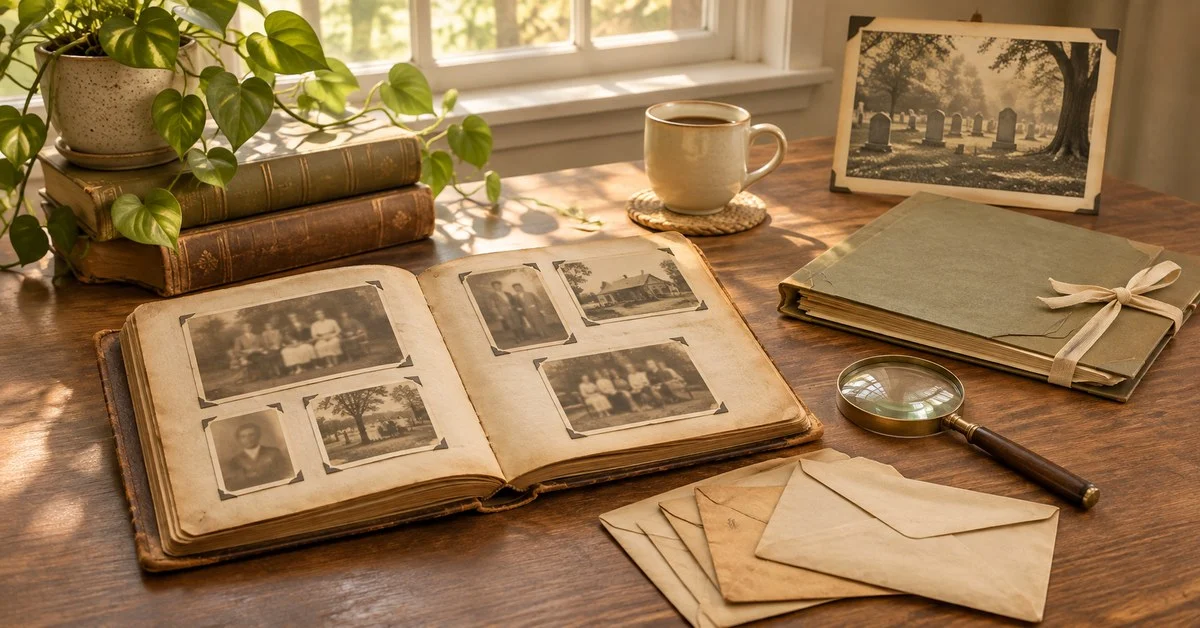
A name in an old photograph can spark questions that no one in the family has answered. For people researching cemeteries San Mateo, CA, burial records can provide a starting point for exploring those questions. A careful search can connect a remembered relative with dates, places, and other records that help explain a family’s history.
You do not need a finished family tree to begin. Start with one person, one question, and a willingness to compare what you find. Each documented connection can make the next search more focused while preserving something meaningful for future generations.
What Cemetery Records Can Reveal
Cemetery records vary by location and period. A burial register may include a person’s name, burial date, age, residence, and burial location, while a separate plot record may identify a section or plot holder. Some entries contain only a few details, so an incomplete record can still be useful.
Read the headings before interpreting an entry. A burial date is not necessarily a death date, and the person named as a plot holder is not automatically a close relative. Treat each detail as a clue to investigate rather than a complete explanation of someone’s life.
Look Closely at Names and Inscriptions
Copy names exactly as they appear, including initials and unfamiliar spellings. Keep your interpretation in a separate note so that you can revisit uncertain handwriting later. A surname that looks unusual today may appear consistently in older family documents.
Inscriptions can also preserve relationships, dates, and words chosen by relatives. For families considering how to record a loved one’s identity today, personalized inscriptions that preserve a loved one’s identity connect present remembrance with the details future researchers may seek. In historical research, compare inscription wording with documentary evidence before adding it to a family tree.
Move From Family Memories to a Focused Search
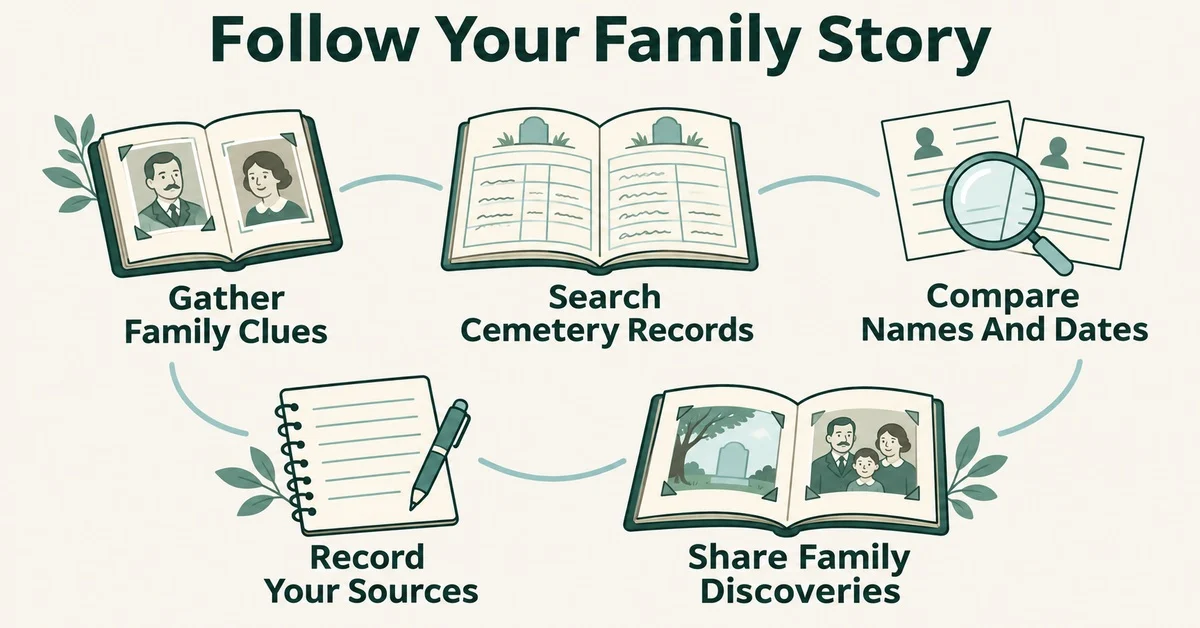
A broad search for an entire surname can quickly become overwhelming. Choose one relative and frame a question, such as where that person was buried or whether two entries refer to the same individual. Then work through a manageable sequence.
- Gather a starting record. Choose a family document or photograph and note the names, dates, and places it contains.
- Write down name variations. Include maiden names, initials, nicknames, and spellings already found in family papers.
- Search the likely cemetery. Use the best available date range and record any possible matches without deciding too quickly.
- Compare another source. Check an obituary, census entry, or civil record for details that support or challenge the match.
- Save the evidence. Keep the record image, its reference, and a short explanation of what remains uncertain.
When a search produces no result, record that outcome too. Note which collection, spelling, and date range you checked so that a later search can try something different. A missing online entry does not establish that a person was never buried there.
Prepare a Clear Cemetery Inquiry
Before writing to an office, assemble the person’s full name, approximate dates, and any known family connections. Explain the specific information you hope to confirm rather than sending a long family narrative. A concise question makes your request easier to understand.
You can contact the office with your family research questions to ask where an inquiry should be directed and what information is needed. Confirm current arrangements before traveling, particularly if you hope to speak with someone about records. Office access and access to the grounds may follow different schedules.
Compare Clues Across Different Records
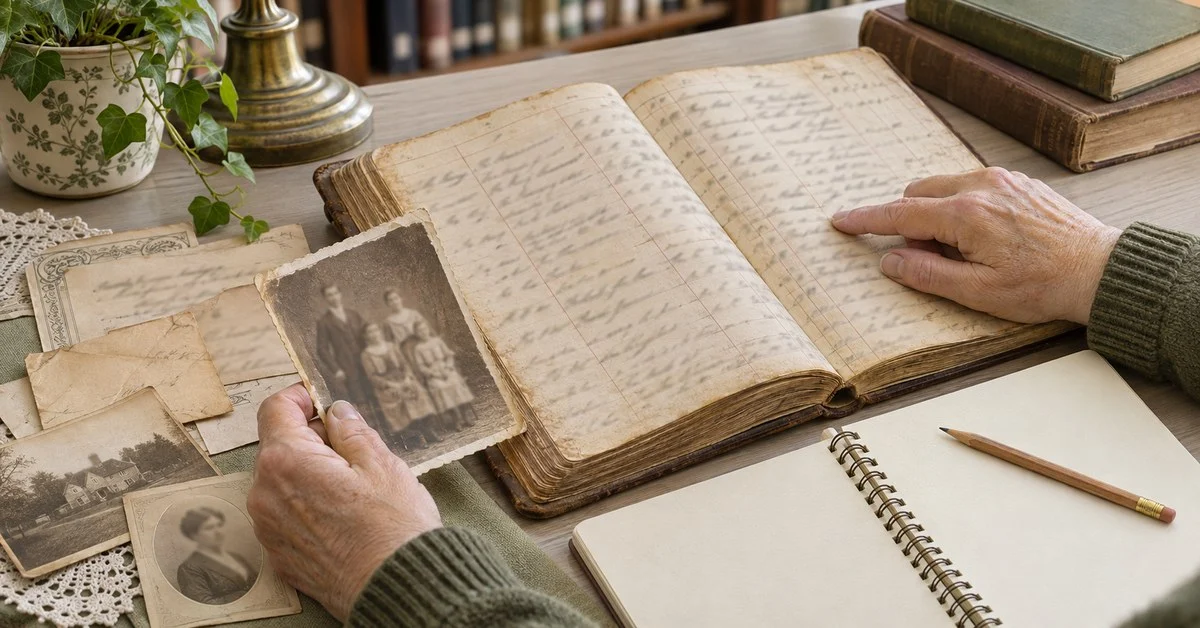
Use the following comparisons to decide what to investigate next. Availability varies, and no single record type guarantees a complete answer.
| Research Question | Record to Compare | How It Helps |
|---|---|---|
| Is this the correct person? | Burial entry and obituary | Compare names, dates, and relatives. |
| Where was the burial? | Plot record and cemetery map | Match location references before a visit. |
| Are these people related? | Shared plot and family documents | Test a possible connection with other evidence. |
| Why do the dates differ? | Burial entry and death record | Separate different events and identify discrepancies. |
Separate a Likely Match From a Confirmed Connection
Two people may share a name and live in the same region. Compare ages, spouses, addresses, and dates whenever those details are available. A familiar surname alone is too little information to attach an unfamiliar record confidently to your family.
If dates disagree, preserve both versions and identify their sources. Ask whether one date describes death and another burial, or whether a transcription differs from the original image. Leaving a question unresolved is more useful than quietly choosing the answer that fits your expectations.
Resources That Can Extend Your Research
Once you have a cemetery clue, look beyond the burial record. Different collections may help explain where a person lived, who belonged to the household, or how the family described a loss.
- Family papers: Letters, photographs, and certificates can provide starting details.
- Local libraries: Newspaper collections and directories can add community context.
- Historical societies: Local collections may help identify older place names.
- Genealogy collections: Digitized records and indexes can suggest further searches.
Keep a brief research log alongside your copies. Record the collection name, page or entry reference, website address when applicable, and date you accessed it. These details help another relative follow your reasoning without repeating every search.
Preserve the Person Behind the Record
Dates and names give a family history structure, but memories can add warmth and individuality. Invite relatives to explain the photographs, familiar sayings, or traditions they remember. Identify who shared each recollection and distinguish personal memories from facts supported by documents.
For a veteran in the family, a conversation about how music gives a veteran’s tribute personal meaning may prompt memories of favorite songs or shared occasions. Preserve those recollections alongside the records without treating them as proof of military history. Personal meaning and documentary evidence can each contribute to a thoughtful account.
When sharing your findings, explain uncertain connections clearly and ask living relatives before circulating their personal information. Keep an untouched copy of each original image and a separate working copy for notes. A family history becomes easier to trust when readers can see both the discoveries and the questions still open.
Frequently Asked Questions
Can I Begin Without an Exact Burial Date?
Yes. Start with an approximate year, a full name, and a known relative or place. Explain which details are estimates so that a possible match is not mistaken for a confirmed identification.
Are Online Cemetery Records Complete?
Not necessarily. Online collections may cover only certain years or depend on submitted information. If a search is unsuccessful, ask the record holder whether other records or search approaches are available.
Does a Shared Plot Prove a Family Relationship?
No. A shared plot can suggest a connection, but it does not establish the exact relationship. Compare the names with other records before identifying someone as a spouse, sibling, or parent.
What Should I Bring to a Research Visit?
Bring your research question, known names and dates, relevant copies, and a way to take notes. Confirm arrangements beforehand and follow the cemetery’s guidance about photography, access, and respectful conduct.
Take the Next Step in Your Family Research
If your search for cemeteries San Mateo, CA has raised questions about an ancestor, contact The Italian Cemetery in Colma at (650) 755-1511. Share the names and approximate dates you have gathered, ask about available genealogy records, and discuss the next step toward documenting your family’s connections with care.
