Share
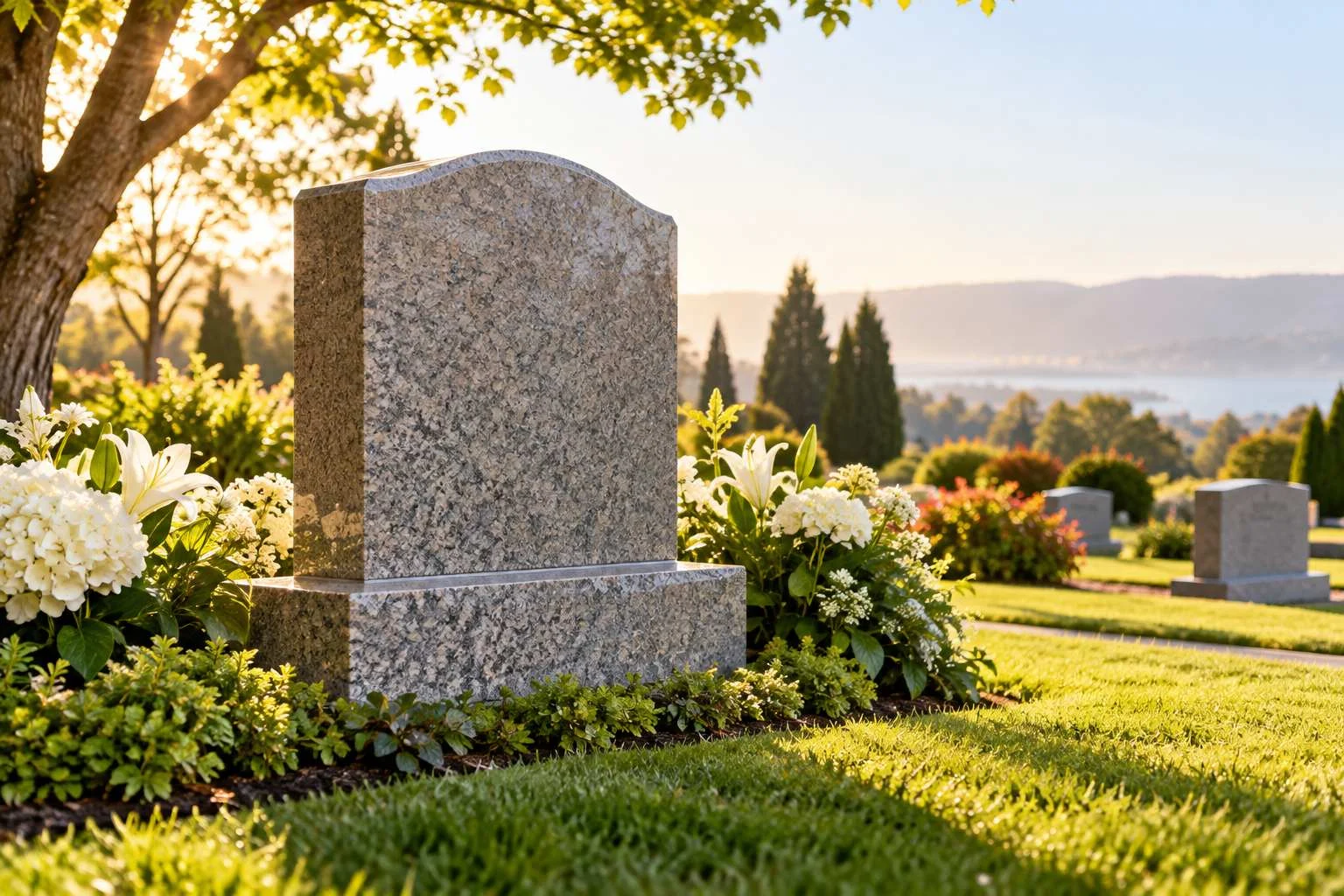
For families considering cemeteries San Bruno, CA, an upright monument is usually the right choice when the burial plot needs a clear, shared focal point that can serve more than one person over time. The decision is less about whether an upright memorial looks more formal than a flat marker, and more about how the space functions for your family now and may function later.
An upright monument rises above the ground and is generally easier to locate from a distance. Unlike a mausoleum burial, it may be especially meaningful for a family plot where loved ones will visit together, where several names may eventually be included, or where the family wants one central place of remembrance.
A flat marker can be a suitable choice in many settings, particularly where a section is designed for level memorials or where the plot is intended for one person. The important point is to begin with the cemetery space, not a monument catalog. A conversation can help you match the memorial type to the section and plot you have selected.
Check Cemetery Rules Before Comparing Monument Styles
Not every cemetery section is designed for upright monuments. Confirm the requirements for the specific plot before spending time choosing a shape, stone, or inscription style.
Ask about:
- Permitted monument types: Find out whether upright memorials, flat markers, companion markers, or other styles are allowed in that section.
- Dimensions: Height, width, thickness, and base measurements may be limited so memorials fit safely and consistently within the grounds.
- Materials and finishes: Some settings limit the types of stone, finishes, or decorative elements that may be used.
- Placement: Verify where the monument belongs within the plot and whether it must align with nearby memorials.
- Foundation and installation procedures: A stable base matters. Ask how installation is coordinated and what information a monument provider will need.
- Inscriptions and added features: Confirm expectations for lettering, emblems, photographs, or other personalized details before the design is finalized.
Assess How the Family Burial Plot Is Laid Out
An upright monument can work beautifully in a family area, but only if the physical layout supports it. Bring the plot information to the discussion rather than relying on a general description of the space.
Consider these practical details:
- Plot size: Confirm the actual dimensions and how much room is available for the monument base.
- Number of spaces: A plot intended for several burials may need a memorial with room for more than one name.
- Existing markers: Nearby or existing memorials can affect placement, balance, and available inscription space.
- Access for visitors: Think about where family members will stand, gather, leave flowers, or approach the memorial.
- Surrounding memorials: The scale of nearby monuments can help you choose a design that feels appropriate without overwhelming the space.
- Future family use: If additional relatives may be memorialized there, avoid selecting a size that leaves no practical room for later additions.
Waiting until a later loss to address these questions can leave relatives making fast decisions with fewer choices. Planning the overall layout early gives the family time to agree on a direction.
Consider Whether Visibility and Family Recognition Are Priorities
A raised memorial may be a strong fit when a family wants a recognizable place to meet and remember. Its vertical form can make names and dates easier to find during visits, especially in a larger section with many markers.
It can also provide more space for a shared identity. A family name, relationships, meaningful words, faith symbols, or individual inscriptions may be arranged in a way that a smaller flat marker cannot accommodate as easily.
That does not make an upright monument automatically better. If the setting calls for a lower profile, if only one name will be included, or if the family prefers a simpler ground-level memorial, a flat marker may better suit the space. Understanding what services do cemeteries provide beyond burial can also help families consider how memorial choices fit within the cemetery’s broader role. The right choice is the one that respects both the cemetery setting and the people being remembered.
Plan for Future Inscriptions and Memorial Additions
Before approving a monument layout, think beyond the first inscription, as families may discover that a visually appealing design does not leave enough usable space for future additions. Consider whose names and dates will be engraved now and whose information may be added later. Families should also decide whether to include relationships such as parents, grandparents, or siblings, or feature a family surname.
If a short phrase, verse, or personal message is important, enough inscription space should be reserved for it. Emblems and symbols should also be planned as part of the overall layout because they require space and may affect the design. Any reserved space should be incorporated thoughtfully so the monument still looks balanced and intentional before future inscriptions are added. It is also helpful to ask how later lettering or other memorial additions are handled so the family understands what options will be available over time.
Review Maintenance, Setting, and Long-Term Practical Needs
A monument is intended to remain in place for many years, so its care needs deserve attention before selection. Weather, surrounding trees, lawn equipment, stone type, finish, lettering depth, and design details can all affect how a memorial ages.
Ask the cemetery or monument provider which materials and finishes are suitable for the setting and expected conditions, as well as which cleaning methods should be avoided, particularly harsh household products that may damage stone or lettering. It is also helpful to ask whether design details, such as polished surfaces, carved features, or light-colored inscriptions, may require particular attention over time. Families can also learn how routine mowing and landscape maintenance are handled around upright memorials. Finally, ask what normal weathering may look like and when professional cleaning or inspection may be helpful to support the memorial’s long-term care.
Choosing an upright monument is often about giving a family plot a lasting center, while leaving room for the people and memories it may hold in the years ahead. For guidance specific to cemeteries San Bruno, CA, contact us to discuss your family’s memorial options with The Italian Cemetery, or call (650) 755-1511 to review your plot, cemetery requirements, and memorial choices before moving forward.
