Share
A shared family burial space gives relatives a designated place to be remembered together, rather than leaving each person’s final arrangements to separate decisions over time. For families considering cemeteries South San Francisco, CA, it can provide continuity, but only when the arrangement fits the family’s actual needs and the cemetery’s policies.
This is not simply a decision about space. It affects who may be included, how future interments are handled, what memorials can say, and who will make decisions years from now. Taking time to clarify those details can spare loved ones uncertainty during an already difficult time.
What Does a Shared Family Burial Space Mean
A shared family burial space is an area intended for more than one related person. Depending on the arrangement, it may be designed for traditional burial, permanent placement of cremated remains, or a combination of both where permitted.
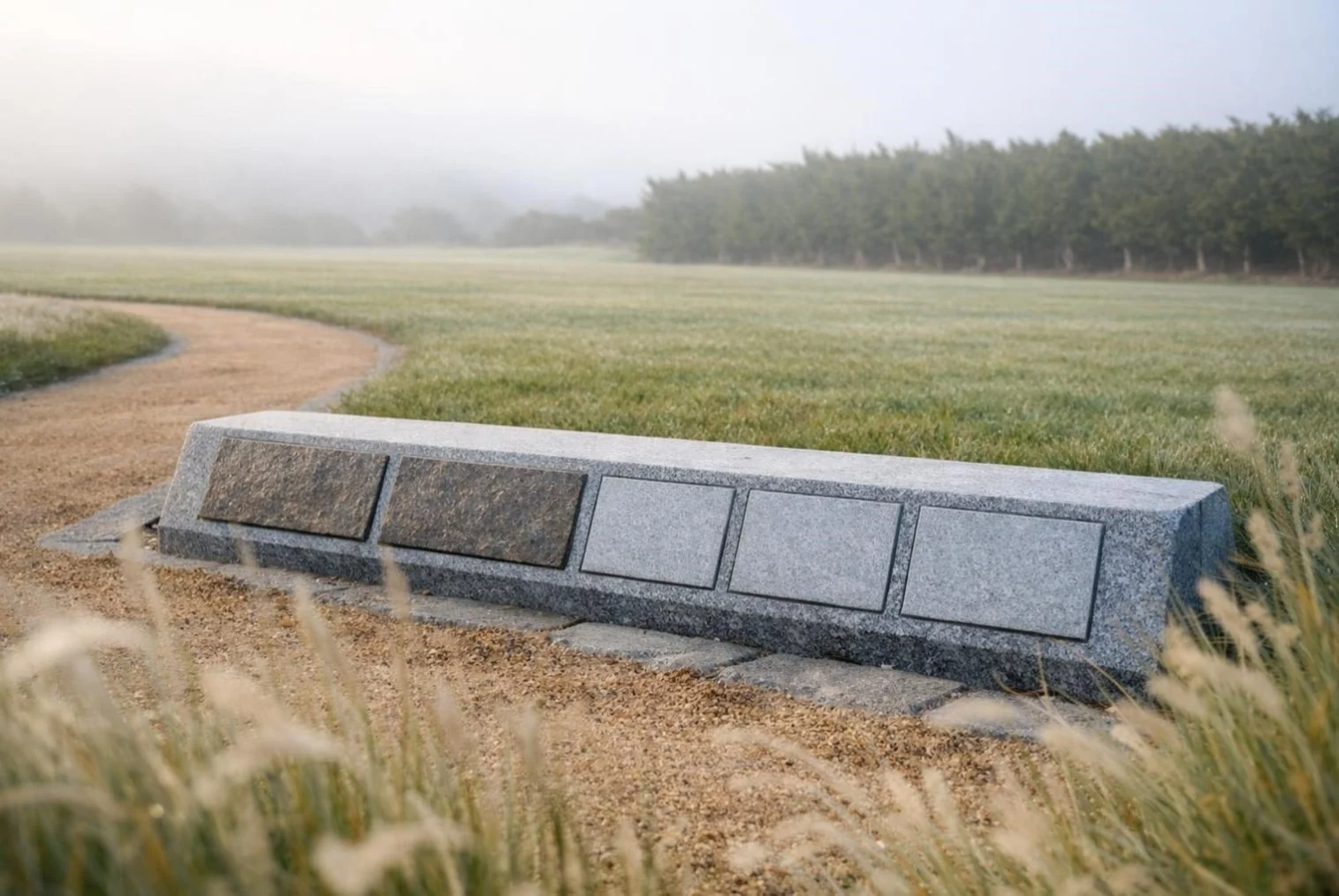
It differs from separate individual spaces because the planning is coordinated from the start. The family may choose a common memorial style, including monuments & grave markers, a shared name, or a layout that keeps relatives together. That continuity can matter greatly to children, grandchildren, and relatives who want one known place to visit and remember.
A family space should not be confused with an unlimited family area. Its use is defined by the specific agreement and cemetery guidelines. Before making a commitment, ask what the space is intended to hold and whether future placements can be accommodated.
For a broader look at remembrance across generations, read how cemeteries preserve family legacies across generations.
Who May Be Included in a Family Space at Cemeteries
Family membership can feel obvious at the kitchen table, but it may become less clear decades later. Blended families, spouses, partners, adopted relatives, and changing family relationships all deserve consideration before names are assigned.
Ask the cemetery these practical questions:
- Relationship expectations: Find out whether the space is intended only for immediate relatives or whether other loved ones may be included with family approval.
- Authorization: Determine who has authority to approve a future placement or inscription. One named decision-maker can prevent conflicting instructions later.
- Documentation: Ask what records the cemetery needs to identify the space and confirm who may use it.
- Future relatives: Discuss how children, grandchildren, spouses, or relatives not yet known to the family might be considered.
- Changing circumstances: Clarify what happens if a family member chooses a different cemetery, a different form of disposition, or a separate memorial arrangement.
A thoughtful conversation now is kinder than asking grieving relatives to interpret someone’s wishes later. Cemetery can help families discuss the questions that apply to a particular available arrangement.
How Much Future Capacity Should a Family Plan For
Planning for a family space does not require predicting every future event. It does require being realistic about who may want to be included and how preferences could change.
Start with the people most likely to use the space, then consider whether the family expects future generations to want a nearby resting place. A couple may initially plan for themselves, while adult children may later value a place to return to with their own families. On the other hand, some relatives may live elsewhere or already have other arrangements in mind.
Cremation has changed how many families plan, but it has not removed the need for a permanent place of remembrance. A designated niche, garden placement, or family memorial area can provide a known location for cremated remains instead of leaving them without a lasting public record.
Avoid assuming that a larger arrangement is always the best choice. The right plan balances room for likely future use with flexibility. Ask what can and cannot be changed after the original selection, including whether additional placements may be possible later.
What Memorialization Choices Should Be Discussed Early
Shared spaces work best when the family understands how the memorial will develop over time. A coordinated design can be meaningful, but no family should assume every material, inscription, or placement is available in every area. Before finalizing the arrangement, families should ask which marker types are appropriate for the selected location, including options for shared markers and individual name placement.
It is also important to confirm how names, dates, relationships, faith expressions, and future additions are handled. Families should understand placement rules, including where a marker may be located and whether specific requirements affect its size or design. They can also consider visual continuity by deciding whether they prefer one unified memorial or separate identification within the same area. Finally, asking how future inscriptions or placements will be coordinated can help ensure the original design leaves enough room for additions while maintaining a thoughtful and cohesive memorial.
What Records and Decision-Making Documents Can Reduce Future Stress
A shared arrangement is easier to manage when the people who come later can find accurate information without searching through old papers or relying on memory.
- Keep the purchase and placement records together. Store copies in a secure place and tell more than one trusted person where they are kept.
- Write down cemetery contact information. Include the name of the cemetery, the location details for the family space, and current contact information.
- Record family preferences. A short written note can explain who the space is intended for, memorial wishes, and any traditions the family wants honored.
- Name a point person and a backup. Future decisions are smoother when relatives know who should begin the conversation with the cemetery.
- Review the plan after major life changes. Marriage, divorce, relocation, new children, and loss can all affect whether the original plan still reflects the family’s wishes.
How Should Families Weigh the Decision Together
The strongest shared arrangements are not based only on emotion or only on logistics. They bring both together. A family may feel deeply drawn to being remembered side by side, while also needing clarity about capacity, memorial guidelines, future authority, and the possibility that preferences will change.
Set aside time for the people most affected to talk honestly. Ask who expects to use the space, who should make decisions later, and what matters most about the memorial. It is reasonable for family members to have different views, and a good plan leaves room for respectful differences where possible.
For families comparing cemeteries South San Francisco, CA, a visit and a detailed conversation can make the decision more concrete. Contact us to discuss your family’s burial plans with The Italian Cemetery, or call (650) 755-1511 to ask about the considerations that apply to your family’s needs.
Frequently Asked Questions
Can More Than One Generation Use a Shared Family Burial Space
Often, that is the purpose of a family arrangement. However, the number of placements and who may be included depend on the specific space and cemetery guidelines. Confirm those details before making assumptions about future generations.
Is a Shared Family Space Only for Traditional Burial
Not necessarily. Some family arrangements may include permanent placement for cremated remains, while others may be intended for one type of interment only. Ask about the uses allowed in the specific area you are considering.
Who Decides Whether a Relative Can Be Added Later
That depends on the cemetery records and the authority identified for the arrangement. Families should clarify this early and keep written information available for future decision-makers.
Can a Shared Memorial Have More Names Added in the Future
In many cases, future inscriptions may be possible, but available room, design requirements, and cemetery guidelines can affect what can be added. Discuss this before selecting a marker or inscription layout.
What Should We Bring When Discussing a Family Burial Space
Bring a list of likely family members to include, any known preferences for burial or cremation, and questions about future decision-making. It also helps to discuss whether the family wants a shared memorial appearance or individual identification within the same area.
